

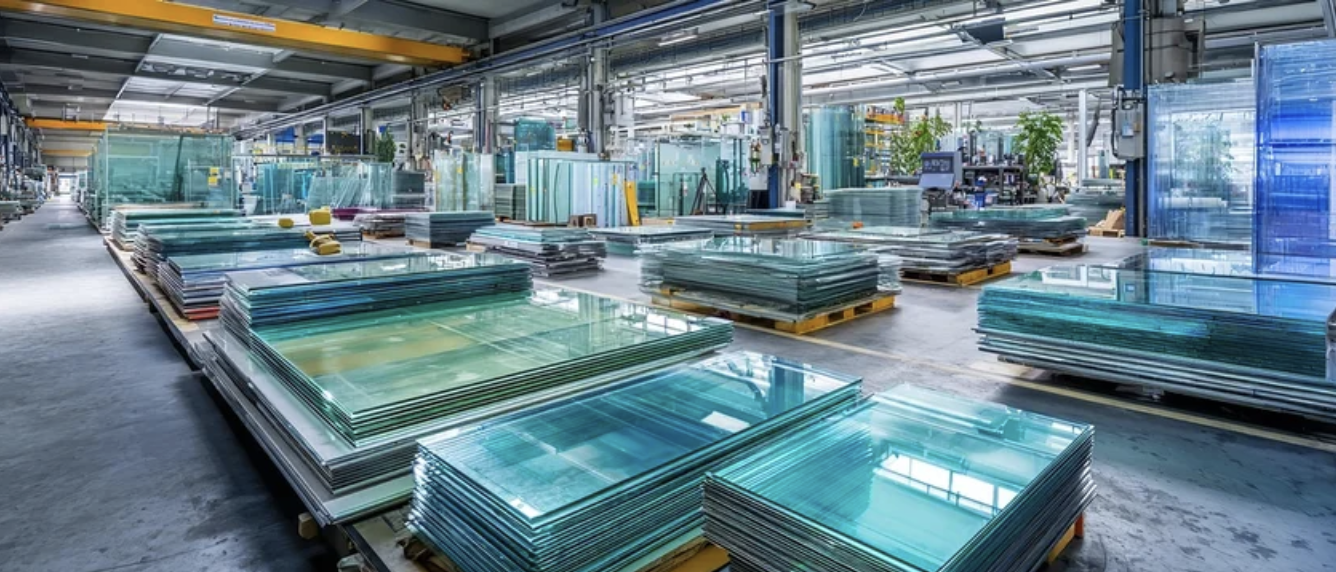
Insulated glass units are demanding products. Single IGU (insulated glass unit) is a multi component assembly. Glass panes are specified by type and thickness, a spacer, gas and a sealant system that must maintain integrity for the declared service life of the product. Every variable matters. Every specification must be documented. And every unit is essentially custom.
Running an IGU production operation efficiently requires software that understands this complexity not a generic system adapted to glass, and not a basic order management tool that happens to have some glass fields added. It requires a platform that was designed around the specific operational model of an insulated glass manufacturer, from how orders are configured and quoted to how production is planned, tracked, and documented.
This article describes what IGU manufacturing software actually needs to do across every stage of the operation, what to look for when evaluating options, and how the right platform changes the day to day management of an IGU business.
Rzeczywistość operacyjna związana z prowadzeniem linii produkcyjnej IGU
Before discussing software, it is worth grounding the discussion in what an IGU operation actually involves. On any given production day, an IGU manufacturer might be processing orders that include standard double glazed units alongside triple glazed configurations, some with warm edge spacers and some with aluminium, some with argon fill and some with air, some with low E coatings and some without. The same production line must handle all of these configurations in a sequence that makes sense for material grouping and machine utilisation.
Jednocześnie firma zajmuje się obsługą napływających zapytań, sporządzaniem ofert, potwierdzaniem zamówień, planowaniem harmonogramu cięcia w celu zminimalizowania ilości odpadów szklanych, zaopatrzeniem w materiały dystansowe, zarządzaniem harmonogramem dostaw oraz prowadzeniem dokumentacji jakościowej zapewniającej zgodność z oznaczeniem CE. Każda z tych funkcji generuje dane, które są powiązane z pozostałymi funkcjami. Zmiana w zamówieniu wpływa na plan cięcia, harmonogram produkcji, zobowiązania dostawcze oraz dokumentację.
Software that handles only some of these connections or that requires manual re entry at each handoff between functions creates the conditions for errors, delays, and margin loss that characterise IGU businesses still running on spreadsheets and disconnected tools.
Zarządzanie konfiguracją: podstawa wszystkich pozostałych działań
Najważniejszą funkcją wymaganą od oprogramowania do produkcji szyb zespolonych jest zdolność do precyzyjnego przetwarzania konfiguracji szyb. Brzmi to prosto, ale w praktyce jest to zadanie bardziej złożone, niż jest w stanie obsłużyć większość standardowych programów.
An IGU configuration is not a product variant it is a combination of independently variable attributes that interact with each other in ways that affect pricing, production, and documentation. The glass type on each pane may differ. The spacer may be aluminium, warm edge, or stainless steel, in various widths. The gas fill may be argon, krypton, or air, at various fill percentages. Coatings may be present on specific surfaces and surface designation (surface one, two, three, or four on a triple unit) matters for both thermal performance and production sequencing. The unit may be standard rectangular or have a complex shaped profile.
Jak działa prawidłowy silnik konfiguracyjny
A proper IGU configuration engine allows the salesperson to specify all of these attributes for each unit in an order and carries those specifications accurately through the entire order lifecycle. When the order is confirmed, the cutting plan knows which glass types to cut for which unit. The production instruction on the shop floor shows the exact spacer and gas specification. The quality documentation records the declared values for CE marking. The despatch label identifies the unit unambiguously.
Without a proper configuration engine, each handoff between these stages is a manual transcription step and each transcription step is an opportunity for error.
Obsługa konfiguracji mieszanych w ramach jednego zamówienia
Many IGU orders include multiple units with different specifications. A glazing contractor ordering for a residential project might need 12 standard double glazed units, 4 triple glazed units for a north facing elevation, and 2 units with opening vent sizes in a different configuration. The software must handle this variety within a single order. Generating separate production instructions for each configuration while maintaining the order as a coherent unit for quoting, scheduling, and delivery.
Cytowanie zleceń IGU: od minut do sekund
Wycena stanowi pierwszy test funkcjonalny oprogramowania do produkcji szyb zespolonych. Szybkość i dokładność, z jaką system generuje wycenę złożonego zamówienia na szyby zespolone, mówi więcej o jego przydatności w biznesie niż niemal każda inna prezentacja.
In a well designed IGU quoting system, the salesperson selects the glass specification for each pane, the spacer type and width, the gas fill, and any coatings or processing requirements. The system calculates the price automatically using current material costs glass, spacer, gas, sealant plus processing costs for cutting, washing, pressing, and sealing, adjusted for the unit dimensions. Customer specific pricing levels are applied automatically. The quote is generated in two to three minutes and is ready to send.
This accuracy depends on having current cost data in the system. When glass prices change, when spacer costs increase, when gas prices shift a single update in the pricing database propagates to every future quote automatically. There is no risk of a salesperson quoting from an outdated price list because the current data is the only data available.
Obsługa systemów miar imperialnych i metrycznych na rynkach północnoamerykańskich
IGU manufacturers supplying North American markets must handle imperial measurements widths and heights in inches and fractions, glass thickness in designations like 1/4″ or 3/8″. Software that requires manual conversion between metric and imperial creates daily friction and is a consistent source of dimensional errors. Purpose built IGU manufacturing software handles both measurement systems natively, allowing orders to be entered in the customer’s preferred unit of measure with no conversion required.
Planowanie produkcji szyb z podwójnymi szybami: ustalanie kolejności zgodne z rzeczywistymi warunkami
IGU production scheduling has constraints that are specific to the assembly process and that generic scheduling tools do not understand. The cutting schedule must group glass types to minimise sheet changes. The washing line must process panes in a sequence that prevents cross contamination between coated and uncoated glass. The spacer bending must be completed before the pressing station needs the spacer frames. The pressing and sealing sequence must match the IGU assembly line throughput.
Software that does not understand these physical constraints generates production plans that look correct on paper but cannot be executed without constant manual adjustment. The production manager ends up spending most of each day firefighting the gap between the plan and reality. Which is not planning, it is crisis management.
Effective IGU production scheduling software builds these constraints into the planning logic. It knows that certain glass types cannot be cut on the same table without a cleaning cycle. It knows that the pressing station is the capacity bottleneck and plans the upstream sequence accordingly. It knows that rush orders can only be inserted without disruption if there is specific slack in the schedule and shows the production manager exactly where that slack is.
Powiązanie planu cięcia z linią montażową
The cutting plan and the IGU assembly schedule must be synchronised. Panes that are cut for a specific unit must be available at the pressing station at the right time. Not too early, occupying limited floor space, and not late, stalling the assembly line. Integrated IGU manufacturing software manages this synchronisation automatically, generating cutting priorities that feed the assembly sequence rather than optimising cutting in isolation.
Śledzenie produkcji: kontrola każdej jednostki od momentu cięcia aż po dostawę
Identyfikowalność szyb zespolonych nie jest opcjonalną funkcją. Zgodnie z rozporządzeniem w sprawie wyrobów budowlanych w Europie producenci szyb zespolonych mają obowiązek deklarować parametry użytkowe swoich produktów oraz prowadzić dokumentację produkcyjną, którą można udostępnić na żądanie. Na rynkach północnoamerykańskich podobne wymogi dotyczące dokumentacji obowiązują na mocy przepisów budowlanych i specyfikacji projektowych.
QR code based traceability implements this requirement operationally. When a pane is cut, it is labelled with a QR code that links it to the order, the cutting plan, the glass batch, and the production date. As the pane moves through washing, coating inspection, and spacer assembly, each scan updates the production record. When the completed IGU unit passes final inspection, the inspector scans the unit and records the inspection result. Including gas fill percentage if measured. Against the unit’s permanent record.
This record is not created by administrative effort. It is a byproduct of normal production scanning. The data is there because the operators scanned the QR code as part of doing their job. Not because someone went back afterwards to fill in a quality register.
Wykorzystanie danych dotyczących identyfikowalności do rozpatrywania reklamacji
Gdy klient zgłasza uszkodzenie uszczelki lub problem jakościowy dotyczący dostarczonego produktu, to właśnie dokumentacja identyfikowalności umożliwia przeprowadzenie rzetelnego dochodzenia. Kod QR produktu zawiera pełną historię produkcji: jakie szyby zostały użyte, z jakiej partii ramki dystansowej, jakie były parametry wypełnienia gazem, który operator montował produkt oraz jakie kontrole jakości przeszedł. Informacje te pozwalają producentowi ustalić, czy problem dotyczy wyłącznie konkretnego produktu, jest powiązany z określoną partią materiałów, czy też wskazuje na problem procesowy mający wpływ na wiele produktów.
Without this data, the investigation is guesswork. With it, the response to the customer is factual, rapid, and professional. Qualities that preserve the relationship even in a difficult situation.
Zarządzanie zapasami i komponentami w produkcji szyb zespolonych
IGU manufacturing involves more components than flat glass processing, and each component must be managed as part of the production system. Spacer material in various widths, materials, and lengths must be tracked against production consumption. Gas cylinders must be managed against fill usage. Sealant primary and secondary must be available at the assembly line in the right quantities. Primary and secondary seal material shelf life and storage conditions matter for product quality.
Software that manages only glass inventory but not IGU components forces the production manager to maintain parallel tracking systems for materials that are as critical to the product as the glass itself. Integrated IGU manufacturing software tracks all components glass, spacer, gas, and sealant. Against production consumption, generates purchase order requirements automatically when stock falls below reorder thresholds, and links component batches to the units in which they were used.
This last point is critical for traceability: if a spacer batch is later found to have a manufacturing defect, the software can identify every IGU unit in which that spacer was used and flag them for inspection. Capability that is only possible if component consumption has been tracked at the batch level.
Oznakowanie CE i dokumentacja: zgodność z przepisami jako efekt uboczny procesu produkcji
Europejscy producenci szyb zespolonych muszą oznaczać swoje produkty znakiem CE zgodnie z normą EN 1279, podając współczynnik przenikania ciepła (wartość U), procentowy udział gazu w wypełnieniu oraz parametry trwałości dla każdej rodziny produktów. Wymaga to prowadzenia dokumentacji produkcyjnej potwierdzającej, że produkty są wytwarzane zgodnie z zadeklarowanymi parametrami.
The documentation burden associated with CE marking is significant when it is managed as a separate administrative task. Integrated IGU manufacturing software reduces this burden by capturing the required data as part of normal order processing and production tracking. The glass specification, spacer type and width, gas fill percentage, production date, and quality inspection result are all recorded against the unit automatically. The CE documentation is generated from this data - it is not a separate document that must be compiled manually.
For IGU manufacturers supplying the UK market post-Brexit, similar requirements apply under UKCA marking. Manufacturers supplying North American markets have analogous documentation requirements under NFRC certification and applicable building codes. Purpose-built IGU software supports these requirements across markets - because they were designed in from the outset, not added as an afterthought.
Ocena oprogramowania do produkcji szyb zespolonych: na co należy zwrócić uwagę
Podczas oceny oprogramowania przeznaczonego do produkcji szyb zespolonych poniższe pytania pozwolą ustalić, czy dany system rzeczywiście nadaje się do produkcji szyb zespolonych:
- Can it handle a triple-glazed order with mixed spacer types - warm edge on some units and aluminium on others - within a single order?
- Czy plan cięcia uwzględnia ograniczenia dotyczące grupowania rodzajów szkła, charakterystyczne dla produkcji szyb zespolonych?
- Czy system śledzenia za pomocą kodów QR pozwala powiązać każdą gotową szybę zespoloną z danymi dotyczącymi partii szkła, partii ramki dystansowej oraz napełnienia gazem?
- Does the system support CE marking documentation - or require a separate process to generate compliance records?
- Czy system obsługuje natywnie zarówno jednostki metryczne, jak i imperialne, z myślą o klientach z różnych rynków?
- Jak długo zazwyczaj trwa wdrożenie i jak wygląda model wsparcia po uruchomieniu systemu?
A system that answers all six of these questions satisfactorily - and can demonstrate the answers in a live walkthrough of real IGU scenarios - is built for IGU manufacturing. A system that struggles with any of them will require workarounds that undermine the value of the investment.
Wniosek: Oprogramowanie IGU to inwestycja w produkcję, a nie decyzja informatyczna
The decision to implement dedicated IGU manufacturing software is not primarily an IT decision. It is a production decision - a decision about how accurately the business quotes, how efficiently the shop floor runs, how reliably orders are delivered, and how well the business can defend itself when a quality question arises.
IGU manufacturers who have made this investment consistently describe the same outcome: the visible costs of the old system - the errors, the re-work, the compliance stress, the complaints that took days to investigate - decrease dramatically. The invisible costs - the margin lost to manual pricing, the customers lost to slow quoting, the material wasted by suboptimal cutting - decrease too, though they take a few months of measurement to fully quantify.
Odpowiednie oprogramowanie nie prowadzi firmy. Eliminuje jednak przeszkody, które obecnie uniemożliwiają jej funkcjonowanie na najwyższym poziomie.
MonitGlass is a purpose-built ERP and MES platform for IGU manufacturers and glass processors - supporting complex IGU configurations, QR code traceability at the component level, integrated quoting, production scheduling, CE documentation, and delivery management. Used by glass factories across Europe and North America. Schedule a free demo at www.monitglass.com or contact us at contact@monitglass.com

Comments are closed